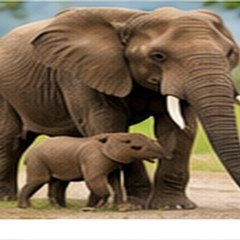

How to Watch Wildlife Without Causing Harm
Distance, patience, and respect turn wildlife observation into a safer experience for animals and people.
Read story →Distance, patience, and respect turn wildlife observation into a safer experience for animals and people.
Read story →
Connected landscapes help animals move, find mates, follow seasons, and respond to climate change.
Read story →
Pollination is only one of the many services insects provide to forests, farms, rivers, and food webs.
Read story →
No single butterfly completes the entire annual cycle, yet the population follows a continental route.
Read story →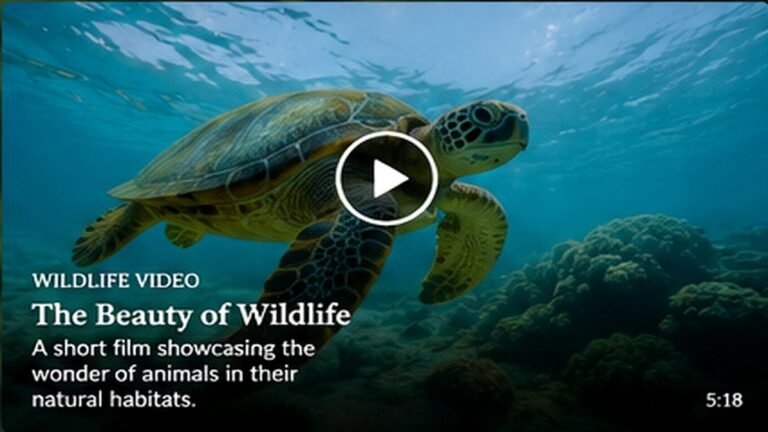
Young sea turtles begin long migrations using inherited orientation systems and environmental cues.
Read story →
Whistles and clicks help dolphins coordinate movement, identify companions, and explore their surroundings.
Read story →
Color can hide a frog, warn a predator, regulate heat, or help individuals recognize one another.
Read story →
The familiar saddle-shaped resting posture helps a tree-dwelling snake balance and wait.
Read story →
A compact bird solves the difficult transition from air to water with vision, timing, and a streamlined body.
Read story →
Brilliant feathers, unusual dances, and carefully maintained display courts make these birds unforgettable.
Read story →