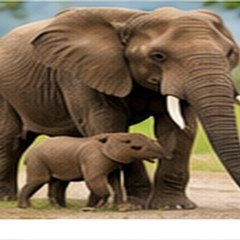

Roads, farms, cities, and fences can divide habitat into isolated patches. Wildlife corridors are routes that restore some of the movement between those patches.
Movement keeps populations resilient
Animals need space to disperse, find mates, reach food, and avoid local threats. Connectivity can also preserve genetic exchange between groups.
Crossings can reduce collisions
Well-designed overpasses, underpasses, fencing, and culverts guide animals across dangerous transportation routes. The design must match the species and landscape.
A corridor is more than a narrow strip
Useful connectivity depends on habitat quality, width, shelter, water, and human disturbance. Long-term monitoring shows whether animals actually use the route.