
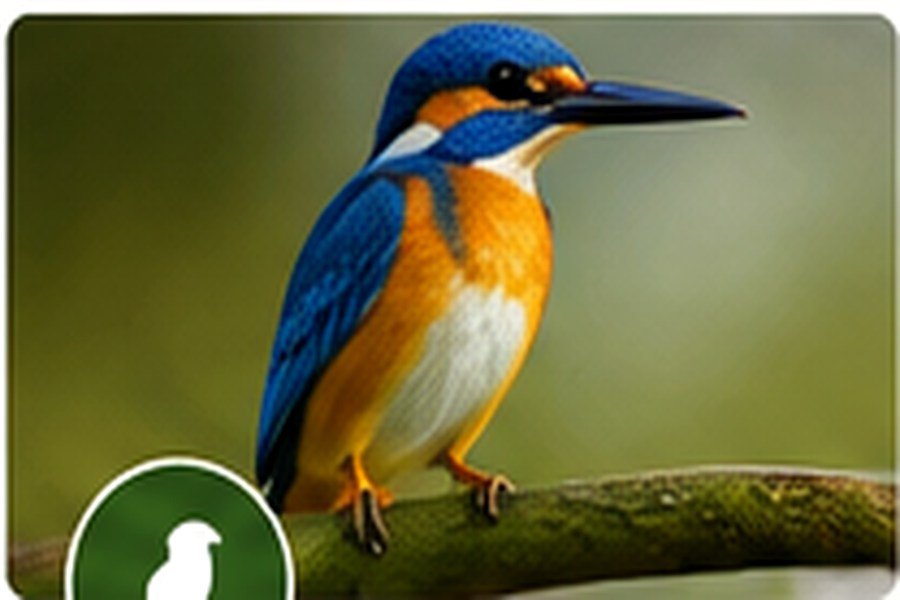
A kingfisher perched above water is calculating distance through a shifting surface. When it dives, it must account for refraction, enter cleanly, and seize prey before returning to the air.
Built to reduce splash
The long pointed bill and narrow head help part the water. The body follows in a compact line, reducing the impact of entry.
Eyes adapted for two environments
Vision changes as the bird moves from air to water. Protective membranes cover the eyes during impact while the bird continues the final stage of the strike.
Good fishing needs healthy water
Kingfishers depend on productive waterways and suitable nesting banks. Their presence can be a vivid sign that streams and shorelines still support diverse life.